The Panda Drum Isn’t a Treatment Plan: Why Music Therapy Requires a Credentialed Therapist
Let’s be honest about this!
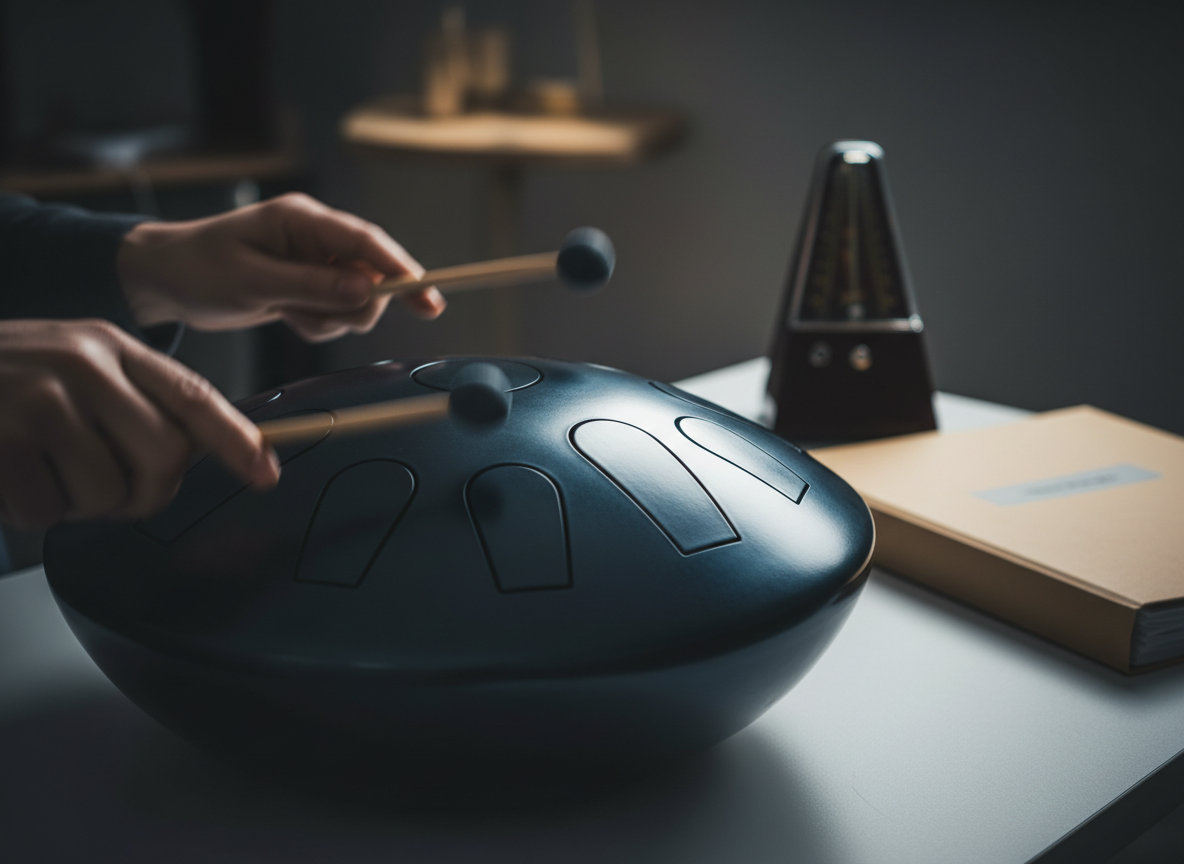
There’s is a viral push right now about steel tongue drums (like the Panda Drum®) that it can be beautiful and accessible instruments. Many people genuinely enjoy them for relaxation, creativity, and connection.
BUT… viral videos and ads are increasingly blurring a critical line: an instrument that feels calming is not the same thing as clinical music therapy.
As a licensed therapist with over two decades of experience specializing in marriage and family therapy, expert child therapist, as well as music therapy, I recognize and want to share the significance of this matter. My training encompasses neurological science-based research and practice in the use of music in therapy. When marketing uses therapy-like language, especially around autism, disability, anxiety, trauma, sleep, or neurological concerns, some families may delay seeking professional evaluation if the message is interpreted as a substitute for individualized assessment and treatment planning. Not all music is therapy!
This article is a research-informed, consumer-friendly explanation of what music therapy actually is, why credentials and expertise matter, and how to use instruments responsibly.
The core truth: the instrument isn’t the therapy
A drum can support:
Play
Sensory input
Co-regulation with a trusted adult
Mindfulness routines
Joy and creativity
Music therapy is different…
Music therapy is a clinical service where a trained professional uses music intentionally to address individualized goals.
In other words:
The product is an instrument.
Therapy is a process.
A treatment plan is a document with goals, methods, and measurable outcomes.
A child sitting alone and tapping a drum may have a positive experience but that is not automatically a therapeutic intervention.
Why this is going viral: “wellness language” sounds like healthcare
On the Panda Drum® collection page, the messaging repeatedly links the instrument to health and wellness outcomes. Examples include: Click here to review their page
“Escape to Calmness” and “Feel the stress melt away with every note”
“Soothing sounds help you relax naturally”
“Enhances sleep quality”
“432 Hz healing frequency for mind and body”
“Healing Resonance” language suggesting sound “mends”
The risk is when it’s interpreted as a clinical claim or when it sounds like the instrument itself functions as treatment.
If you’re a parent or paraprofessional trying to help a child who is anxious, dysregulated, or struggling socially, it’s understandable to want something simple that “works”, especially music which most children connect with.
But evidence-based care is rarely one-size-fits-all.
What research-based music therapy actually involves
1) Assessment (individualized care)
A credentialed music therapist doesn’t start with “here’s an instrument, go play.” They start with an indepth assessment.
Depending on the setting and goals, assessment may look at:
Sensory preferences and sensitivities
Attention, impulse control, and arousal level
Communication (verbal and nonverbal)
Motor planning and coordination
Emotional regulation and coping skills
Social interaction and relationship patterns
Family routines and stress points
This is where the therapy becomes individualized. Two clients can look “similar” online and need completely different approaches, even use of instruments.
2) A treatment plan with goals (not vibes)
A treatment plan typically includes:
Clear goals (what we’re targeting)
Methods/interventions (how music will be used)
Frequency/duration (how often, how long)
Progress measures (how we’ll know it’s working)
Adjustments over time (what changes when the data changes)
A product can’t do that by itself.
3) Intentional interventions (not random playing)
Research-informed music therapy uses music as a clinical intervention, applied intentionally and often in very specific ways. Examples:
Rhythm for regulation: matching a client’s arousal level, then gradually shaping tempo and intensity
Structured turn-taking: building communication and social reciprocity through predictable musical exchanges
Song-based coping tools: pairing breathing, grounding, and self-talk with musical cues
Motor and timing support: using rhythmic cueing for movement patterns, coordination, or sequencing
Trauma-informed work: using choice, predictability, and safety in musical experiences to support nervous system stabilization
The difference is not the instrument. The difference is the clinical decision-making behind how it’s used.
Neurology + music: why training matters
Music is powerful because it engages multiple brain systems at once:
Auditory processing
Attention networks
Motor planning and timing
Memory and learning
Emotion and reward pathways
Social cognition and connection
That “whole brain” engagement is one reason music can be so effective in healthcare.
But it’s also why it should be used carefully and ethically when clinical outcomes are being discussed.
A trained clinician understands:
How to slowly introduce stimulation (not overwhelm)
How to structure experiences for safety and predictability
How to select interventions based on diagnosis, goals, and response
When music is contraindicated or needs modification
This is especially important for neurodivergent clients and for people with trauma histories, seizure disorders, sensory processing differences, or complex mental health needs.
What is Neurologic Music Therapy (NMT)?
Neurologic Music Therapy (NMT) is a specialized, research-informed approach that applies standardized clinical techniques using music to address functional goals, often in neurologic rehabilitation and related settings.
NMT is not “music that feels healing.” It’s a clinical model with trained, certified providers using structured methods. All music therapists at Mewsic Moves are NMT trained specialists.
If you’re seeing claims that a specific frequency or instrument “heals the brain,” it’s fair to ask:
What is the mechanism?
What outcomes are being measured?
Who is delivering the intervention?
What training do they have?
Where is the individualized plan?
Are they equipped to respond appropriately if a client becomes overstimulated or dissociates?
The 432 Hz claim: what consumers should know
The Panda Drum® page references “432 Hz” and links it to soothing/healing language.
Here’s the practical truth:
432 Hz is a tuning reference, not a medical treatment.
People may prefer how it sounds and preference can support relaxation.
But preference is not the same thing as a validated clinical claim.
If marketing implies that a tuning standard will “heal mind and body,” that’s a red flag that the claim may go beyond what evidence can support.
“No musical experience needed” is true and also incomplete
It’s true that many steel tongue drums are designed so beginners can make pleasant sounds quickly as it is based on a musical scale that all notes played are in harmony with one another.
But two things can be true at once:
You don’t need musical training to enjoy an instrument.
You do need clinical training to provide therapy.
When the internet and marketers blend these concepts, families and clients are adversely affected as they are presented with a shortcut rather than the necessary realistic support.
What a Panda Drum can be (without calling it therapy)
Used responsibly, a tongue drum can be a great wellness tool:
A calming transition ritual (with adult support)
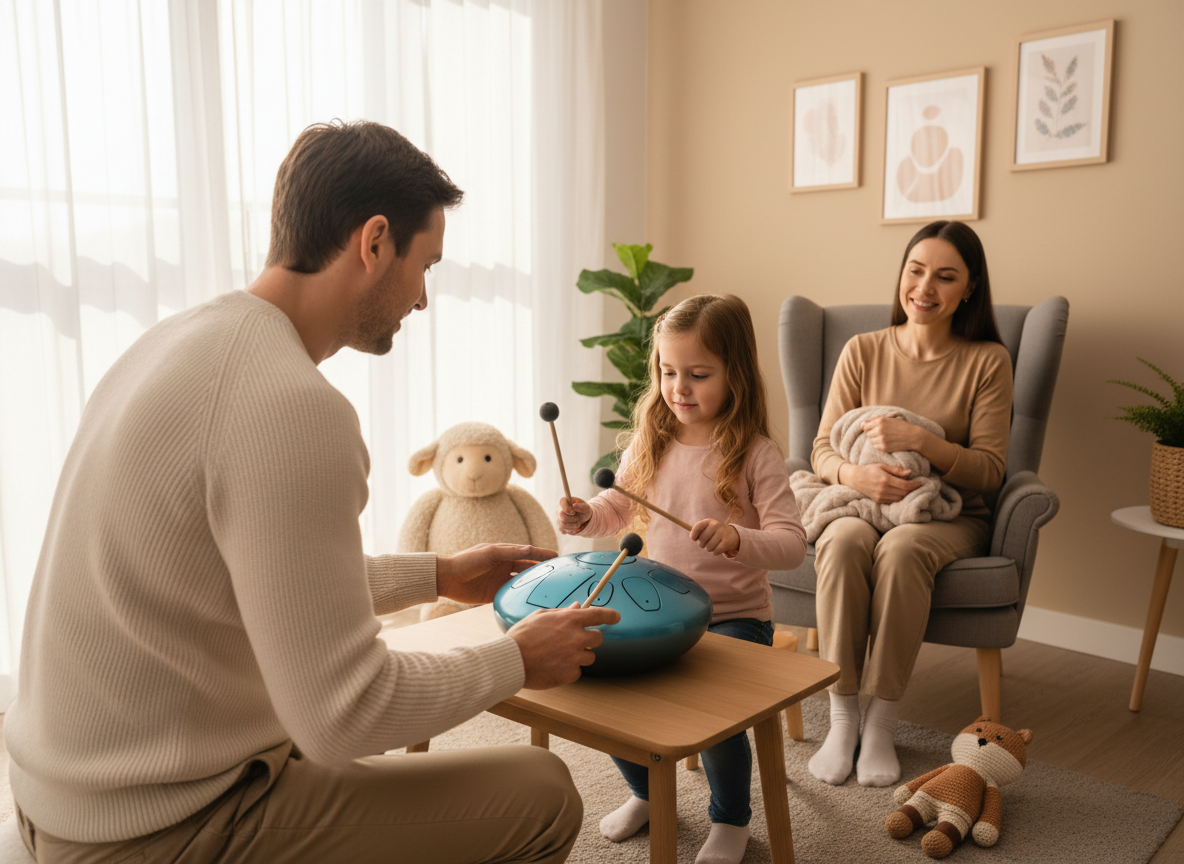
A shared parent-child connection activity
A “screen-free” creativity option
A mindfulness cue paired with breathing
A predictable routine tool (“three minutes of drumming, then homework”)
If you want it to be more therapeutic at home, consider asking a credentialed music therapist for guidance that fits your child’s goals and sensory profile. At Mewsic Moves we offer a FREE 15 minute consultation where you can ask us any questions about music therapy and how it can support you, your client or loved one. Book here

When to seek professional help instead of a product
Please reach out to qualified providers if you’re seeing:
Persistent anxiety, depression, trauma symptoms, or self-harm talk
Severe sleep disruption
Aggression, shutdowns, or intense dysregulation
Regression or loss of skills
Communication challenges that significantly impact daily life
Family stress that feels unmanageable
A product can support a routine. It should not be positioned as a substitute for assessment and treatment.
How to spot misinformation fast (a parent-friendly checklist)
Green flags
“May help” language (not guarantees)
Clear disclaimers (not medical advice, not a treatment)
Encouragement to seek professional support for clinical concerns
Red flags
Guaranteed outcomes (“will heal,” “will cure,” “proven to treat”)
Medical claims without credible citations
Over reliance on “frequency” as the mechanism of change
Implying a product replaces individualized assessment and treatment planning
Bottom line
The Panda Drum® is a lovely sounding easy instrument to play.
But it isn’t a treatment plan.
If you want the real, research-based benefits of music in health and development, the safest path is:
Use instruments for joyful, supportive music-making
Work with credentialed professionals for clinical goals
Expect individualized plans, measurable goals, and ethical care
Disclaimer
This article is for educational purposes only and is not medical, psychological, or legal advice. If you have concerns about health, development, or mental health, consult qualified professionals.
More Information?
We offer a FREE 15 minute consultation if you would like to know more about how music therapy can be a therapeutic program for you, your client or a loved one.